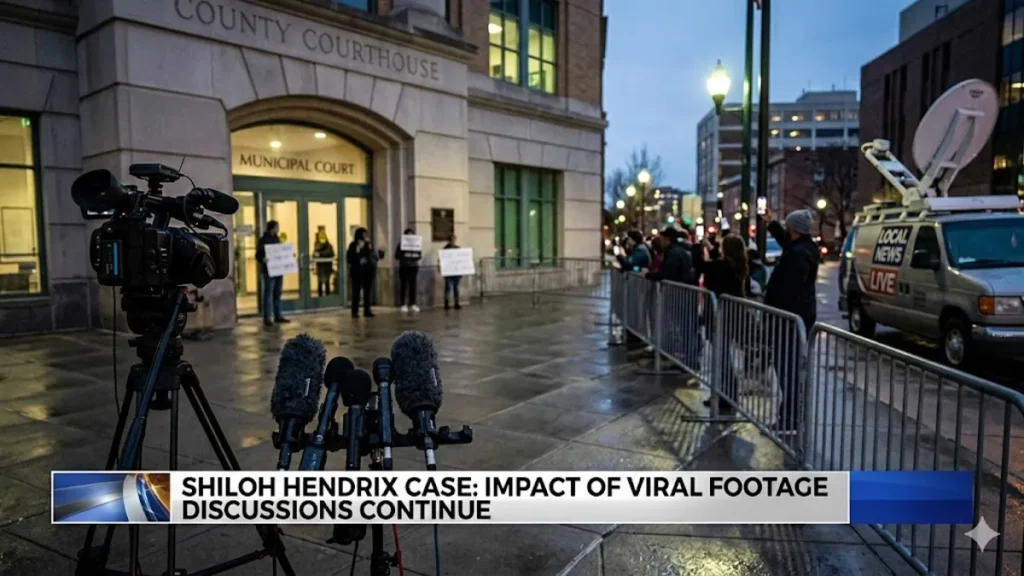

Readers searching for Shiloh Hendrix are seeking clarity about a viral racial slur incident that unfolded in Rochester, Minnesota, in April 2025. Hendrix became nationally known after a video showed her directing repeated racial slurs at a young Black child in a public park. The footage spread rapidly across social media, drawing condemnation, financial support from online backers and legal consequences. Authorities later charged Hendrix with misdemeanor disorderly conduct.
I watched the story evolve in real time, beginning as a short clip filmed on a phone and quickly transforming into a national flashpoint. What happened in less than a minute at a playground became a symbol of larger tensions in American life. The incident drew responses from local officials, civil rights organizations and commentators across the political spectrum. It also triggered a controversial crowdfunding campaign that raised hundreds of thousands of dollars, prompting scrutiny of online fundraising platforms.
The case now stands at the intersection of race relations, digital culture and the justice system. Beyond the viral moment, it reflects deeper questions about accountability, free expression and how communities respond when racist conduct enters public view.
The Playground Confrontation
The incident occurred on April 28, 2025, at Roy Sutherland Playground in Soldiers Field Park in Rochester. Video footage captured Hendrix confronting a Black child and repeatedly using a racial slur. The child was later reported to have autism, a detail that intensified community outrage.
In the video, bystanders can be heard challenging Hendrix’s language. She did not retreat. Instead, she repeated the slur, escalating the confrontation. The clip lasted less than a minute, yet its emotional weight reverberated far beyond the park.
Local residents expressed shock that such language was directed at a child in a public setting. Community leaders described the incident as deeply harmful. The video’s circulation ensured that what might once have been a localized dispute became part of a national conversation.
Read: Erome Explained: Privacy, Freedom and Digital Risk
Legal Action and Charges
In August 2025, the City of Rochester announced that Hendrix had been charged with three counts of misdemeanor disorderly conduct. Under Minnesota law, each count carries the possibility of jail time and fines.
City officials emphasized that the charges reflected the seriousness of the public disturbance and the emotional harm caused. They also stressed that the case would proceed through standard legal channels, ensuring due process.
Hendrix pleaded not guilty and requested a speedy trial. Her legal team framed the charges within constitutional protections and procedural rights. A trial date was set for 2026.
The legal proceedings underscore the distinction between public outrage and judicial process. While online reaction was immediate and intense, the court system moves deliberately. The case now unfolds within the framework of Minnesota criminal law.
The Crowdfunding Controversy
Shortly after the video went viral, Hendrix created a crowdfunding campaign on GiveSendGo titled “Help Protect My Family.” She stated that her personal information had been exposed online and that she faced harassment.
Donations surged quickly. Within weeks, the campaign raised hundreds of thousands of dollars. Many donors left inflammatory or explicitly racist comments, prompting criticism from civil rights groups. The platform eventually disabled public comments to limit the spread of hate speech.
The fundraising effort transformed the story from a local controversy into a national debate. Critics argued that the campaign amplified racist rhetoric and normalized hostility. Supporters claimed Hendrix was being unfairly targeted and needed financial protection.
The episode highlighted the evolving role of digital platforms in shaping public narratives. Crowdfunding, once associated primarily with medical bills or creative projects, now intersects with culture wars and political identity.
Community Response and Impact
In Rochester, civic leaders and advocacy groups focused on the child and family affected by the incident. The local NAACP chapter and other organizations called for accountability and community healing.
Mayor Kim Norton and city officials publicly condemned the slur and reaffirmed Rochester’s commitment to inclusivity. Community meetings and forums were organized to address concerns about race relations and safety in public spaces.
For many residents, the emotional impact lingered long after the video faded from trending feeds. Parents voiced fears about the vulnerability of children in shared spaces. Educators and faith leaders emphasized dialogue and education.
The incident forced a reckoning not only about individual behavior but about collective responsibility. Community members expressed a desire to move beyond the viral spectacle and toward meaningful engagement.
National Debate and Media Coverage
The story quickly attracted national attention. Commentators debated whether the backlash against Hendrix represented accountability or an example of cancel culture. Civil rights advocates argued that the slur directed at a child demanded unequivocal condemnation.
Some conservative voices framed the crowdfunding surge as evidence of public resistance to perceived social punishment. Others countered that financial support did not diminish the harm inflicted.
Media coverage extended beyond the initial confrontation to examine broader themes. Analysts discussed the persistence of racial slurs in American life and the power of viral video to expose behavior that once remained hidden.
The Hendrix case became part of a larger conversation about speech, consequence and digital amplification. In the age of smartphones, public actions rarely remain private.
Broader Implications for Race and Digital Culture
The Hendrix incident reflects ongoing challenges in confronting racism. Public expressions of racial hostility continue to surface, often captured and disseminated through social media.
Digital platforms amplify both condemnation and support. Within hours, narratives solidify. Fundraising pages, commentary threads and opinion pieces form parallel ecosystems of interpretation.
Experts in digital ethics note that crowdfunding platforms face increasing pressure to moderate campaigns linked to controversial or harmful conduct. At the same time, free speech advocates caution against overreach.
The legal system operates within defined statutes. Disorderly conduct laws address public disturbances, not ideology. This distinction underscores the complexity of balancing constitutional protections with community standards.
The case demonstrates how a single moment can ignite debates across legal, cultural and technological domains.
Comparative Overview
| Aspect | Local Impact | National Impact |
|---|---|---|
| Public Reaction | Community meetings and condemnation | Media debate and polarized commentary |
| Legal Response | Misdemeanor charges filed | Broader scrutiny of hate speech laws |
| Digital Response | Crowdfunding controversy | Platform moderation questions |
| Dimension | Immediate Effect | Long-Term Consideration |
|---|---|---|
| Emotional | Trauma for family and community | Ongoing dialogue on race |
| Legal | Court proceedings scheduled | Precedent for similar cases |
| Cultural | Viral outrage | Continued debate over accountability |
These comparisons illustrate how the incident expanded from a neighborhood park to a national forum.
Expert Perspectives
Dr. Angela Carter, a sociologist specializing in race and community dynamics, says public racist incidents often function as catalysts. “They reveal underlying tensions that communities must confront,” she says.
Digital media analyst Marcus Lee observes that viral amplification intensifies polarization. “Online ecosystems reward strong reactions, which can deepen divides,” he says.
Civil rights attorney Rachel Thompson notes that disorderly conduct statutes address behavior, not belief. “The legal system focuses on actions in public spaces,” she says, underscoring the limits of criminal law in addressing prejudice.
These perspectives frame the Hendrix case within broader structural realities.
Takeaways
- Shiloh Hendrix became nationally known after a viral video showed her directing racial slurs at a child in Rochester, Minnesota.
- The child involved was reported to have autism, intensifying public reaction.
- Hendrix faces three misdemeanor disorderly conduct charges and has pleaded not guilty.
- A crowdfunding campaign raised hundreds of thousands of dollars, prompting controversy.
- The incident sparked debates about race, digital amplification and accountability.
- Community leaders emphasized healing and dialogue alongside legal proceedings.
Conclusion
The Shiloh Hendrix case illustrates the volatile intersection of race, technology and justice in contemporary America. A brief confrontation in a playground escalated into a national story shaped by viral video, crowdfunding and courtroom proceedings.
I see the episode as a reminder of how quickly digital tools can transform local behavior into national discourse. Smartphones document. Platforms amplify. Communities respond. Courts deliberate.
The legal outcome remains pending, but the cultural impact is already evident. Conversations about racial respect, digital responsibility and civic accountability continue. Whether the case becomes a cautionary tale or a turning point depends on how communities engage with the questions it raises.
Ultimately, the incident reflects enduring challenges. Racism, public conduct and digital mobilization intersect in ways that demand careful attention. The story of Shiloh Hendrix is not only about one individual. It is about the systems that shape response and consequence in the modern era.
FAQs
What happened in the Shiloh Hendrix incident?
A viral video showed Hendrix using racial slurs toward a Black child at a Rochester, Minnesota, park.
What charges has she faced?
She has been charged with three misdemeanor counts of disorderly conduct.
Did Hendrix admit guilt?
She pleaded not guilty and requested a speedy trial.
Why did she create a crowdfunding campaign?
She stated it was to protect her family after facing online backlash and alleged harassment.
What broader issues does the case raise?
It raises questions about racism, digital amplification, online fundraising and legal accountability.